
3 hr 30 min
Moorea Whale Swimming & Snorkeling Boat Excursion
Intimate 6-guest boat adventure combining seasonal whale encounters with vibrant lagoon snorkeling
Reserve
Morning departures for calmer seas, humpback migrations in South Pacific waters
Hand-picked by our editors — only the best 5 whale watching experiences from 12 reviewed.
Verified partners for every tour, free cancellation where available, and instant confirmation on every booking.
3 hr 30 min
Intimate 6-guest boat adventure combining seasonal whale encounters with vibrant lagoon snorkeling
Reserve
4 hr
Dive into French Polynesia's waters for an extraordinary encounter with migrating humpback whales
Reserve
4 hr
Encounter humpback whales in French Polynesia waters with optional in-water swimming opportunity
ReservePrices from verified partners. Availability updates in real time at checkout. Free cancellation policies apply where shown.
The landmarks, rooms, and views travelers on this tour remember — all visible on a single visit.
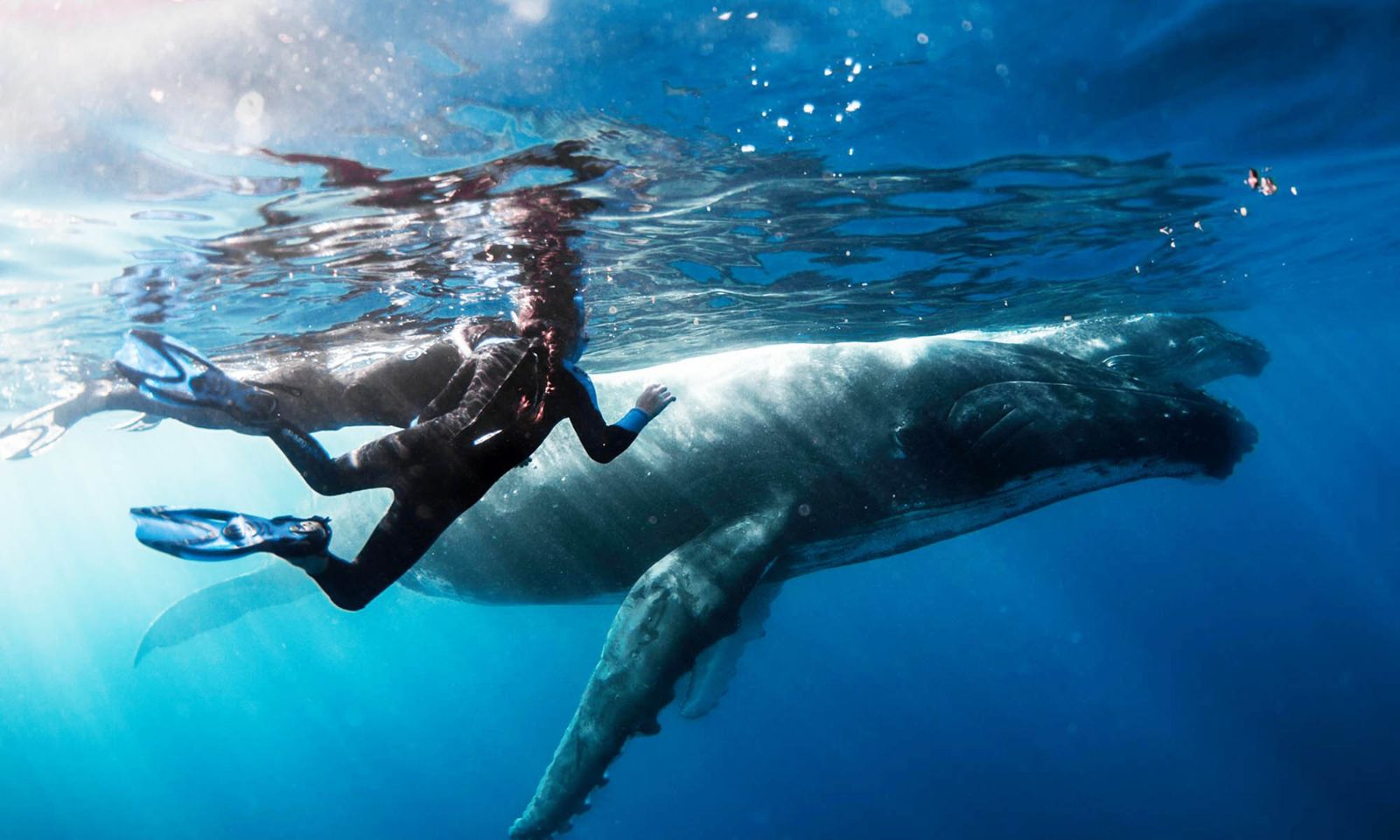
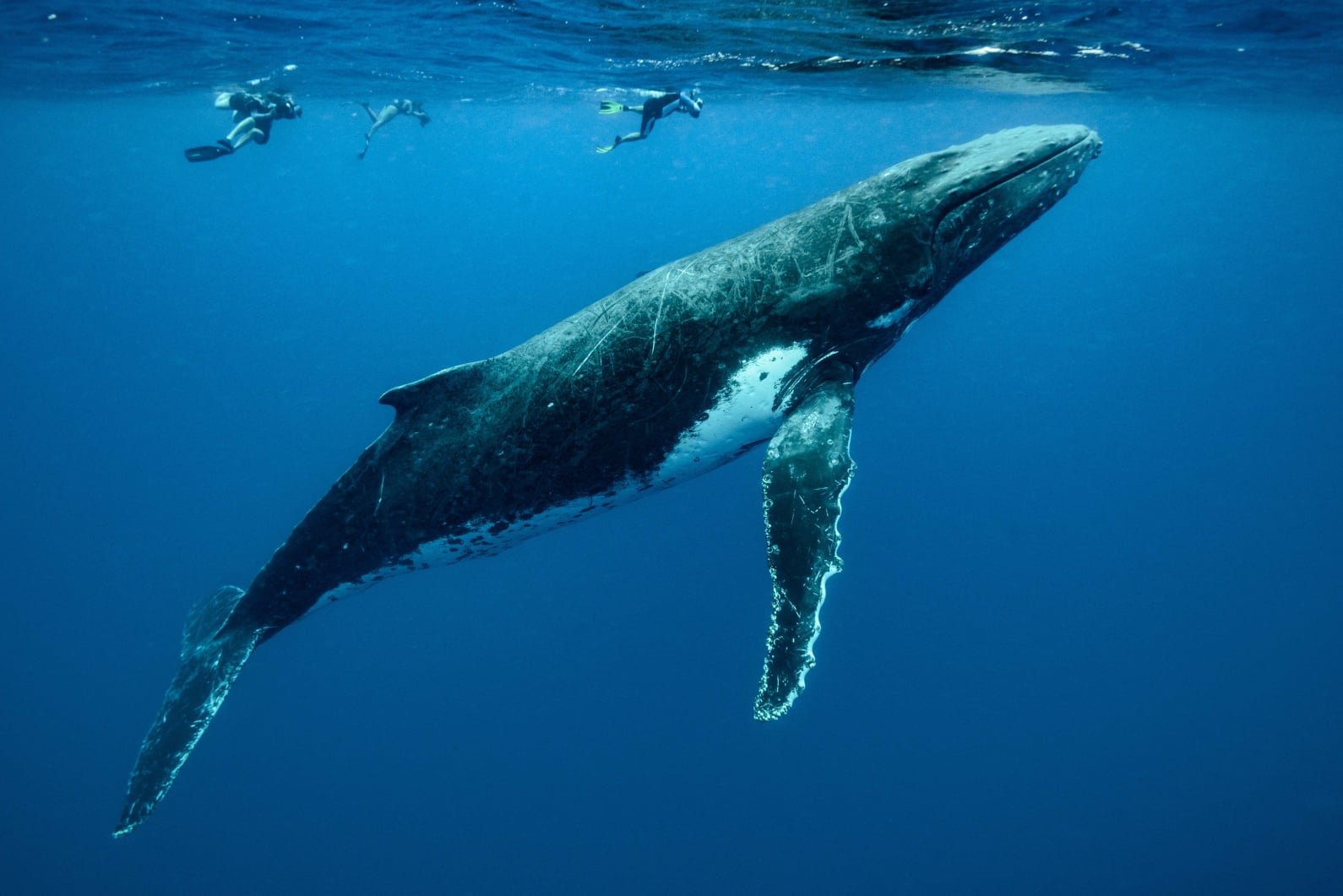
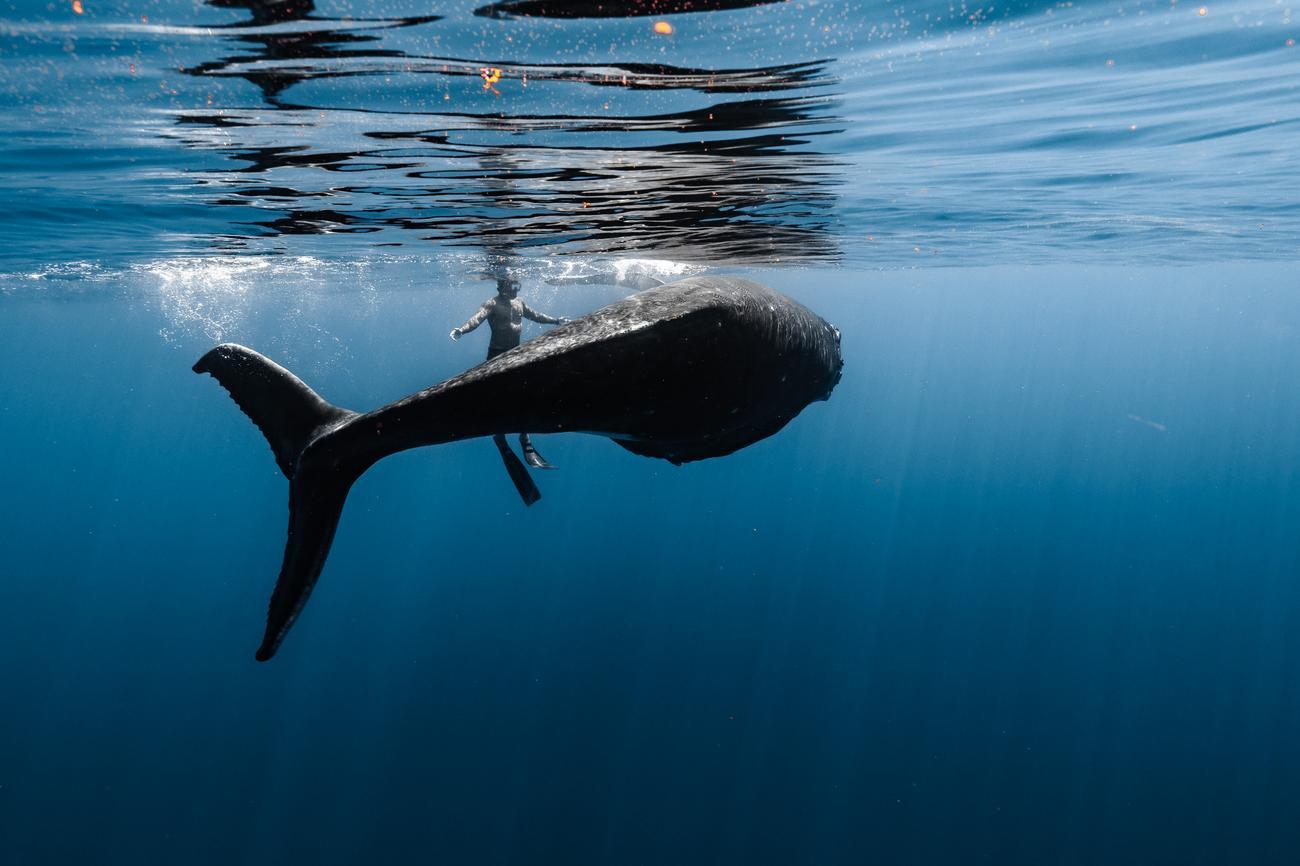
Observing seasonal whale populations in their natural habitat during the southern winter. These giants frequent the waters around Moorea to mate and calve
Exploring the vibrant biodiversity of the surrounding lagoon. Many tours combine whale spotting with reef snorkeling opportunities
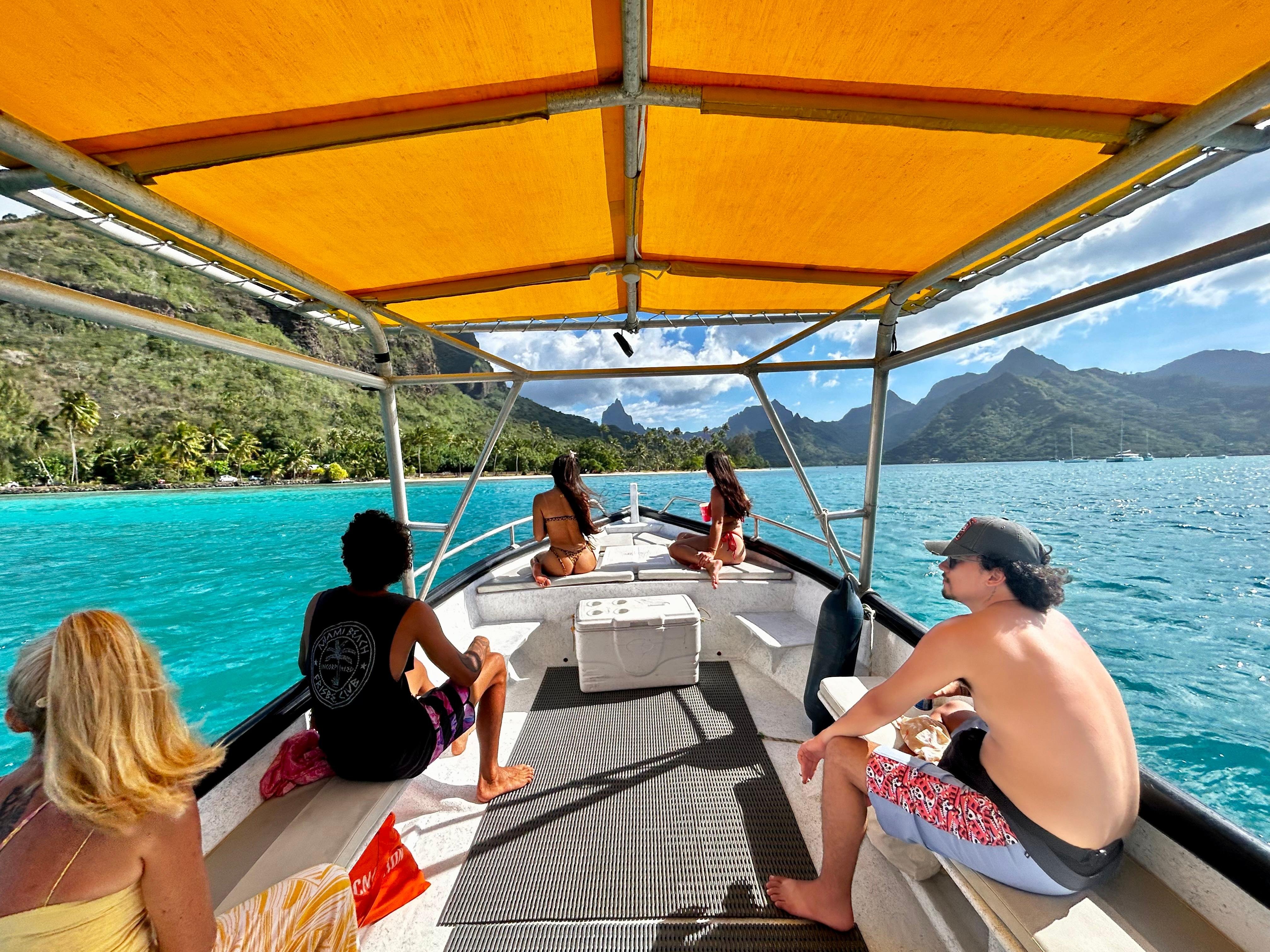
Panoramic views of the rugged island landscape from the sea. Seeing the peaks from the water provides a unique perspective of the island
Encountering turtles, dolphins, and tropical fish during transit. The ecosystem is protected and rich with diverse marine life
Learning about the connection between Polynesian culture and the ocean from local guides. Guides share traditional knowledge during every tour
They complement each other; most visitors who do both call the lagoon trip more accessible while the moorea whale watching tour tours offer a more intense, specialized encounter. Selecting your moorea whale watching tour tickets allows you to focus on open-ocean giants, whereas the lagoon experience emphasizes diverse reef biodiversity.
| Feature | Top pick Whale Watching | Lagoon Snorkeling |
|---|---|---|
Primary goal |
Observe cetaceans | Reef marine life interaction |
Species focus |
Humpback whales | Stingrays and sharks |
Water depth |
Open ocean deep waters | Shallow lagoon waters |
Tour duration |
3–4 hours | 3–5 hours |
Physical exertion level |
Moderate (swimming in ocean) | Low (drifting in shallows) |
Site accessibility |
Offshore | Near-shore coral gardens |
| See tickets → |
Verdict: Choose the moorea whale watching tour tour for big-game wildlife observation or the lagoon adventure for a relaxed, shallow-water exploration of marine ecosystems.
Choose your ticket, select your date, and reserve in under two minutes. Secure checkout handled by our verified partner.
Instant confirmation by email, with a mobile voucher you can save offline. No printing, no queuing at a collection desk.
Arrive at the entrance, show your voucher on your phone, and walk in. Most tickets include priority or skip-the-line access.
Best time to go, insider tips, nearby landmarks, and the cancellation fine print — flip through to skim what matters to you.
How crowds, weather, and events shift across the year.
Humpback whale migration season occurs during these months. Warm temperatures and calm morning seas provide the best conditions for a moorea whale watching tour experience.
Whale sightings are less frequent as migration patterns shift. Focus transitions toward local reef exploration and snorkeling adventures.
Small details that turn a good visit into a great one.
Drink plenty of water before boarding to prevent seasickness. Dehydration is common in the tropical sun.
Apply reef-safe sunscreen 20 minutes before entering the water. Reapply frequently to avoid burns.
Bring a pair of binoculars for spotting distant blows or breaching activity. Secure them with a neck strap.
Listen carefully to the guide's explanation of whale behavior. Respecting animal space preserves their environment.
Non-bookable sights within a short walk — free to visit, easy to pair.
Panoramic views of Cook and Opunohu Bays. This popular site is a must-see for island vistas
Features diverse fruit trees and local flora. It offers a peaceful retreat after your morning ocean tour
Steep track leading to high vantage points over the lagoon. Requires a 4x4 or hike
A scenic hike through lush vegetation to reach the tiered falls. Best visited in the early morning
Flexible, no hidden fees.
Full refunds are typically provided for cancellations made at least 24-48 hours in advance. This activity involves 0 XPF in public gate fees as it is a commercial operator service.
Hand-picked options within walking distance — pick a district for vibe, or a specific hotel for convenience.
High-end resort offering direct water access and amenities
Polynesian-style bungalows with proximity to the main hub
Overwater bungalows located near prime snorkeling spots
Humpback whales migrate 6,000 kilometers from Antarctic feeding grounds to French Polynesia's warm waters between July and November each year, transforming Moorea's coastal zone into one of the South Pacific's most reliable cetacean corridors. The island's volcanic topography creates deep channels close to shore where humpbacks rest, nurse calves, and engage in surface behaviors visible from small boats operating within the lagoon's outer reef. French Polynesian law prohibits motorized pursuit but permits passive observation and in-water encounters when whales approach voluntarily, a regulatory framework established in 2002 that prioritizes animal welfare over commercial pressure. Moorea whale watching tour operators launch from the island's northern and western coasts, accessing deep water within fifteen minutes of departure. Humpback whales congregate in these zones because the seafloor drops to 1,200 meters within three kilometers of the barrier reef, providing acoustic privacy for song displays and vertical space for competitive male groups. Calves born in these waters during austral winter remain with mothers for ten to twelve months, creating extended observation windows that stretch into early summer. Surface behaviors include breaching, pectoral slapping, and tail lobbing, actions tied to communication, play, and parasite removal rather than aggression. The island's position 17 kilometers northwest of Tahiti places it within the Society Islands archipelago, a geographic cluster recognized by marine biologists for high humpback density relative to vessel traffic. Morning departures between 7:00 and 12:00 coincide with peak whale activity and calmer sea states, conditions that improve sighting success and passenger comfort. Tour vessels range from rigid inflatables to covered catamarans, with group sizes typically capped at twelve to minimize environmental impact and maximize deck space per participant. Swim encounters occur when whales surface near stationary boats, a scenario that requires passengers to enter water quietly and maintain distance beyond five meters, per territorial guidelines enforced by licensed captains. Snorkeling gear allows extended underwater observation of whale posture, fluke patterns, and calf nursing behavior, details obscured from deck level. The clarity of Moorea's offshore water—visibility often exceeding thirty meters—permits photography and video documentation that captures scale and movement with unusual fidelity.
"French Polynesian law prohibits motorized pursuit but permits passive observation when whales approach voluntarily, a framework established in 2002 that prioritizes animal welfare."
Yes, photography is encouraged on a moorea whale watching tour, but ensure equipment is protected from salt spray.
Bring a towel, reef-safe sunscreen, a hat, and a windbreaker for your moorea whale watching tour.
If weather prevents a tour, operators will typically offer a reschedule or refund according to their specific policy.