
English| EUR
Suggested for you
More currencies
Choose a language
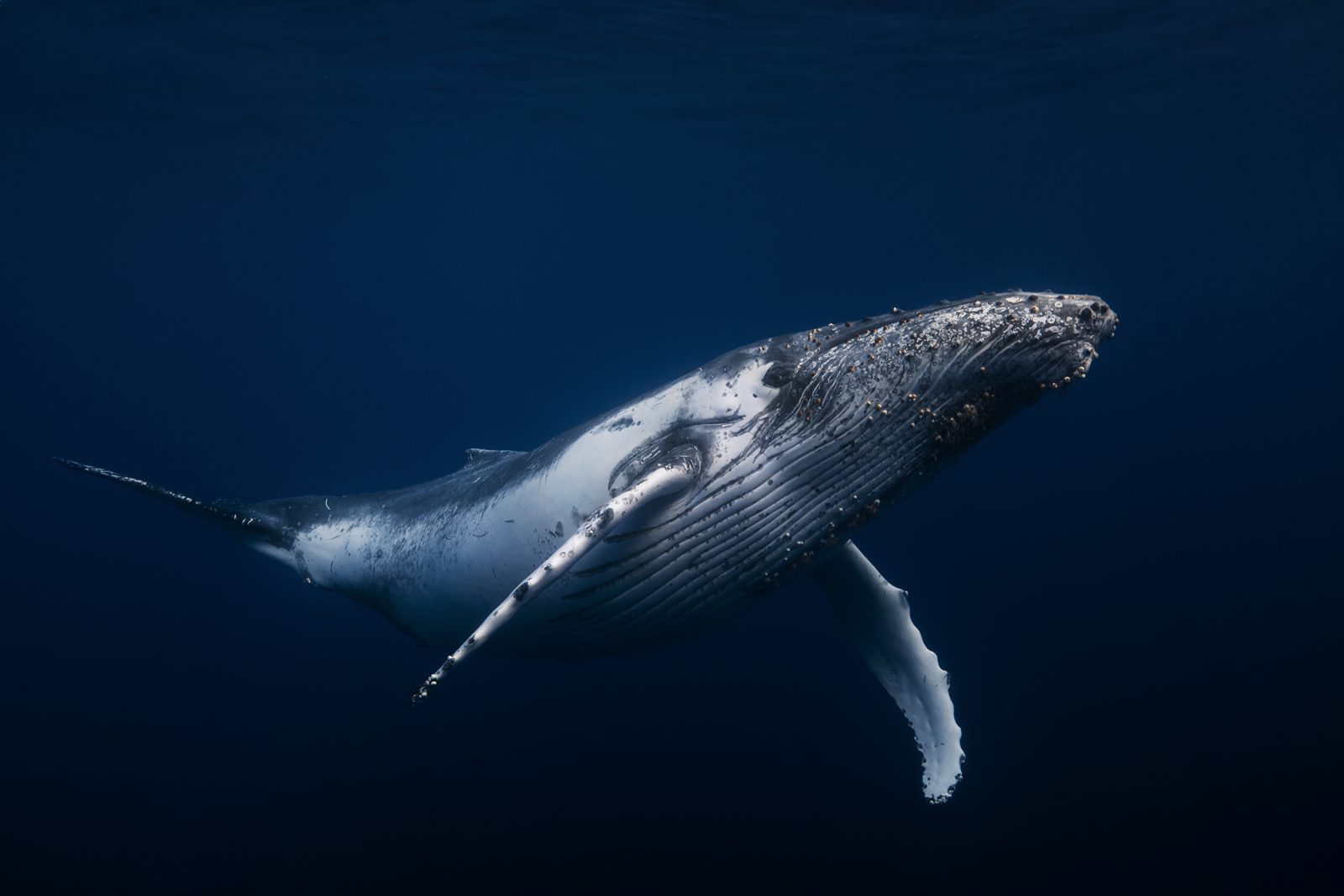
Humpback whales migrate to Moorea's warm lagoon waters between July and October each year, creating a narrow seasonal window for in-water encounters. Understanding monthly migration patterns, sea conditions, and whale behavior helps visitors align their trip with the highest probability of successful swims and the calmest ocean environments.
Quick answer
The best time to swim with whales Moorea spans July through October, with August and September offering peak activity as humpback whales arrive from Antarctic feeding grounds to breed and calve in French Polynesia's protected waters. Sea conditions are typically calmest during this period, visibility reaches 20 to 30 meters, and water temperatures hover between 25°C and 27°C. Early-season July brings the first arrivals, while late October marks the migration's end as whales begin their return journey south.
More than 2,000 humpback whales pass through French Polynesian waters each austral winter, transforming Moorea's coastal zone into one of the South Pacific's most reliable cetacean encounter sites. The migration follows a predictable calendar driven by breeding cycles and water temperature, yet conditions within the four-month season vary considerably. July marks the beginning of arrivals, with scout whales and early mothers reaching Moorea's northern and western coasts. Encounter rates climb steadily as the month progresses, though sea conditions can be variable as winter swells still affect offshore zones. August delivers the season's highest concentration of whales, particularly cow-calf pairs that favor the sheltered bays between Temae and Haapiti. Operators report success rates above 85 percent during this peak window, and calmer trade winds create optimal visibility for underwater observation. September sustains strong activity levels with increased courtship behavior among adult whales, producing more surface displays but occasionally more cautious animals. October sees declining numbers as whales begin their southward migration, though late-season encounters often feature relaxed individuals and extended underwater interactions. Water clarity and surface conditions directly affect the quality of in-water experiences. The best time to swim with whales Moorea aligns with the mid-season months when lagoon sediment has settled, plankton blooms have passed, and trade winds blow consistently from the east at 10 to 15 knots. Morning excursions between 07:00 and 12:00 benefit from glassier seas and higher whale activity before afternoon wind pickup. Operators schedule departures to coincide with slack tide periods when current is minimal and whales are more likely to remain stationary. Moorea's whale season also intersects with the island's driest months, reducing the chance of rain-induced runoff that clouds nearshore waters. Tour availability peaks in August, requiring advance booking during northern hemisphere summer holidays. Visitors prioritizing solitude over guaranteed encounters may find better value in early July or late September when whale numbers remain strong but tourist density drops. The humpback migration to Moorea operates on a biological clock refined over millennia, and aligning a visit with that rhythm separates fleeting glimpses from sustained, meaningful encounters with one of the ocean's most expressive species.
“August delivers the season's highest concentration of whales, with encounter rates above 85 percent and optimal underwater visibility.”
The peak season for swimming with humpback whales in Moorea occurs between August and October, when these marine mammals migrate to the warm tropical waters to mate and give birth. Scheduling your excursion during the early morning hours is essential for optimal visibility and whale activity.
24°C to 28°C; calm waters
Peak migration period offers the highest probability of sightings.
—
Calm sea conditions and morning light provide the best environment for water-based observations.
—
Wind speeds often increase, creating choppier water conditions that can make locating whales more difficult.
Verdict: The best time to swim with whales is from August to October, specifically departing in the early morning to ensure favorable sea conditions.
Whale excursion activities in Moorea operate daily to accommodate visitors throughout the week.
Access to the open ocean in Moorea is free of charge. Visitors must instead budget for professional boat excursions required to locate and swim with whales safely.
Verdict: A typical adult pays 20,000+ XPF for a boat excursion, with prices varying based on the tour provider and group size.
Whale swimming excursions depart from various docks around Moorea, French Polynesia. Most visitors reach these departure points via rental car or taxi to ensure timely arrival for scheduled boat departures.
Rental vehicle via Route de ceinture (Island Road)
Local taxi services to designated docks
Authorized whale swimming excursion vessels
The best arrival window is 07:00–12:00, as early morning tours provide priority access to whales and calmer sea conditions. Planning to arrive at your designated dock well before your scheduled departure is recommended to align with tour operator logistics.
Prepare these essentials before your whale swim excursion to maximize your time on the water.
Everything you need to know about best time to swim with whales moorea
The best time to swim with whales moorea is during the season when humpback whales migrate to French Polynesian waters, typically from August through October. Choosing the right months maximizes your opportunity to observe these marine mammals in their natural habitat.
To ensure availability, you should look for a Moorea whale swim operator well in advance of your travel dates. The best time to swim with whales moorea is highly sought after, so early planning is recommended.
While operators have different policies, most require participants to be comfortable in the water and follow safety briefings. Children are often welcome if they meet the specific requirements of the boat excursion provider.
Entry to the ocean is free, but you will need to book a professional tour to access the whales. Tour operators charge for boat excursions, which are typically 20,000+ XPF per person.
The best arrival window for your excursion is 07:00–12:00. Early morning tours provide priority access to whales and generally offer calmer sea conditions for your underwater encounter.
You should be a confident swimmer to fully enjoy your Moorea whale snorkeling tour. Guides provide instructions on how to interact respectfully with the animals, and safety equipment like life vests is usually provided.
Tours are subject to sea conditions, and operators prioritize safety above all else. If a trip is cancelled due to weather, you should coordinate directly with your booked provider regarding rescheduling or refund policies for your best time to swim with whales moorea experience.