
4 hr
Humpback Whale Swimming Adventure in Moorea
Dive into French Polynesia's waters for an extraordinary encounter with majestic humpback whales
Reserve
Hand-picked by our editors — only the best 5 experiences from 42 reviewed.
Verified partners for every tour, free cancellation where available, and instant confirmation on every booking.
4 hr
Dive into French Polynesia's waters for an extraordinary encounter with majestic humpback whales
Reserve
3 hr 30 min
Intimate small-group ocean adventure with humpback whales, rays, sharks, and tropical marine life
Reserve
6 hr
Swim alongside sea turtles, rays, and reef sharks in Moorea's pristine waters on this small-group tour
ReservePrices from verified partners. Availability updates in real time at checkout. Free cancellation policies apply where shown.
The landmarks, rooms, and views travelers on this tour remember — all visible on a single visit.
Observe mothers nursing calves and males singing during the migration period.
They complement each other; most visitors who do both call moorea diving with whales the more thrilling encounter. While the specialized excursion focuses on open-ocean giants, the lagoon adventure provides a relaxed encounter with marine life.
| Feature | Top pick Whale Swimming | Lagoon Snorkeling |
|---|---|---|
Target Wildlife |
Humpback whales | Stingrays and sharks |
Depth of Experience |
Open ocean pelagic interaction | Shallow coral gardens |
Physical Demand |
High (swimming in current) | Low (floating/standing in lagoon) |
Permit Requirements |
Specialized marine observation permit | Standard lagoon access permit |
Group Size Constraints |
Limited (usually 4-6 guests) | Flexible (often 10+ guests) |
Primary Equipment |
Mask, snorkel, fins | Mask, snorkel, fins |
| See tickets → |
Verdict: Choose the moorea diving with whales tours if you seek intimate pelagic wildlife encounters, or select lagoon snorkeling if you prefer calm conditions and consistent sightings of tropical marine species using standard moorea diving with whales tickets.
Choose your ticket, select your date, and reserve in under two minutes. Secure checkout handled by our verified partner.
Instant confirmation by email, with a mobile voucher you can save offline. No printing, no queuing at a collection desk.
Arrive at the entrance, show your voucher on your phone, and walk in. Most tickets include priority or skip-the-line access.
Practical details for your visit straight from our verified partners — hours, access, rules, and how to get there.
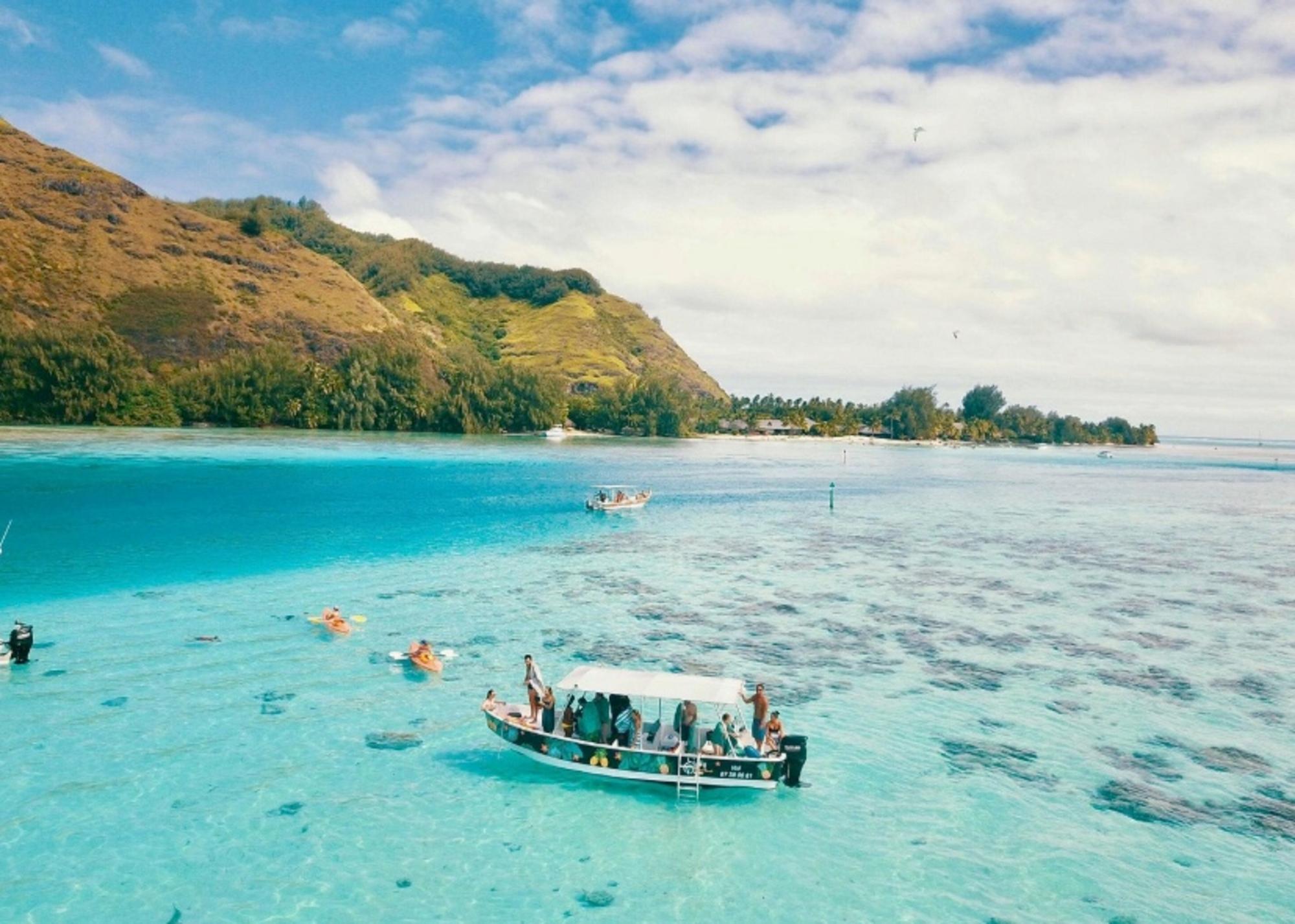
Marina de Vaiare, 98728 Afareaitu
Main departure point for most boat operators.
Follow the main coastal road to Marina de Vaiare; limited parking available.
Wear swimwear, a rash guard for sun protection, and consider a light windbreaker for the boat ride. Bringing a hat and polarized sunglasses is recommended to improve spotting visibility.
Use waterproof dry bags to protect cameras and personal items from salt spray. Avoid bringing excess luggage as boat deck space is limited.
Use a wide-angle lens for underwater shots and a fast shutter speed for breaching activity. Always respect wildlife by maintaining distance and disabling flash to avoid startling animals.
Boats depart from the Marina de Vaiare docks, which may require navigating uneven surfaces or boarding ladders. Discuss mobility needs with your operator when booking your moorea diving with whales excursion.
Keep phones in waterproof cases to prevent water damage from salt and spray. Reception is generally good near the coast, but offshore coverage fluctuates.
Children should be confident swimmers, as encounters involve entering the open ocean. Supervision is required at all times, and life vests are mandatory for minors during moorea diving with whales tours.
Bring reusable water bottles and light, non-greasy snacks. Some operators provide refreshments, so verify inclusions when purchasing your moorea diving with whales tickets.
Pets are not permitted on commercial marine excursions due to safety regulations and potential stress to marine wildlife.
Ensure your operator is DIREN-certified, identified by specific flags at the stern. Respect local marine mammal sanctuary regulations by never feeding or intentionally touching the whales.
Marina de Vaiare, 98728 Afareaitu
Main departure point for most boat operators.
Get directionsBest time to go, insider tips, nearby landmarks, and the cancellation fine print — flip through to skim what matters to you.
How crowds, weather, and events shift across the year.
Peak season for moorea diving with whales with high activity levels. September is statistically the best month for sightings.
Small details that turn a good visit into a great one.
Secure your moorea diving with whales tour dates well in advance. Mid-season peaks often sell out quickly.
Non-bookable sights within a short walk — free to visit, easy to pair.
Panoramic views of Opunohu Bay and Mount Rotui.
Flexible, no hidden fees.
Operators typically require 24–48 hours notice for full refunds. Entrance fee: 0 USD (Free entry; whale swim tour prices are set by independent boat operators.)
Hand-picked options within walking distance — pick a district for vibe, or a specific hotel for convenience.
Convenient proximity to the ferry and boat marinas.
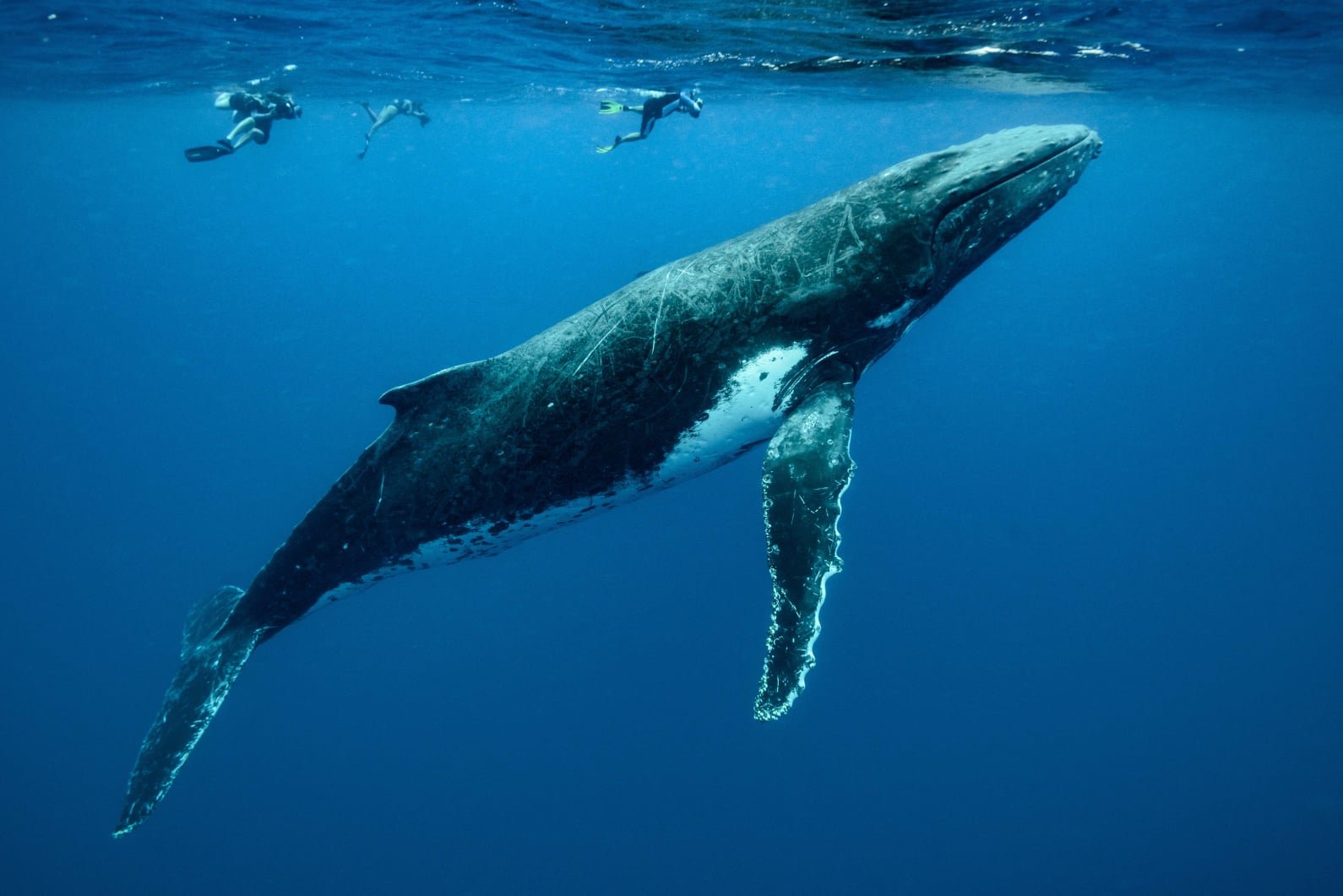
French Polynesia's waters host the longest documented humpback whale song ever recorded—a 22-minute composition that researchers traced across three breeding seasons. Between July and November each year, humpback whales migrate from Antarctic feeding grounds to the warm lagoons surrounding Moorea, transforming the island's coastal waters into one of the South Pacific's most concentrated breeding and calving zones. The 1,200-kilometre journey brings adult whales weighing up to 40 tonnes into shallow bays where visibility often exceeds 30 metres, creating conditions that allow swimmers to observe breaching, tail-slapping, and nursing behavior at close range. Moorea's reef-protected lagoons offer a rare combination of accessibility and marine biodiversity. The island's barrier reef creates a natural amphitheater where humpback pods gather in water depths ranging from 15 to 50 metres, close enough to shore that boat transfers from Marina de Vaiare rarely exceed 20 minutes. Local operators work within strict French Polynesian marine mammal protection protocols established in 2002, which mandate minimum approach distances of 30 metres for boats and 5 metres for swimmers, ensuring encounters remain non-intrusive. These regulations have maintained Moorea's reputation as a sustainable whale-watching destination, with annual visitor studies showing no measurable stress responses in monitored whale groups. The humpback whale tour season coincides with the island's dry winter months, when southeast trade winds drop to their annual low and sea conditions stabilize. Morning departures between 06:00 and 07:30 align with peak whale activity periods, when mothers guide newborn calves to the surface for their first breaths and males compete in aggressive displays that send sound waves rippling across the lagoon. Hydrophones deployed by marine research teams have recorded humpback vocalizations at frequencies audible to swimmers underwater, a phenomenon that transforms each encounter into an acoustic as well as visual experience. The same reef systems that shelter whales also support populations of blacktip reef sharks, eagle rays, and green sea turtles, making Moorea's lagoon ecosystem a layered marine environment where multiple species converge in a single snorkeling excursion. Moorea diving with whales operates from a conservation framework that balances tourism with habitat protection. The island's whale-watching fleet consists of small, low-impact boats licensed by the French Polynesian government and captained by guides trained in cetacean behavior and emergency response. This infrastructure supports a visitor experience grounded in observation rather than interaction, where the rhythm of each day follows the whales' movements rather than a fixed itinerary. The result is a form of marine tourism that privileges the animals' autonomy while offering humans a window into one of the ocean's most complex social systems.
"Hydrophones have recorded humpback vocalizations audible to swimmers underwater, transforming each encounter into an acoustic as well as visual experience."
A step-by-step walkthrough of the visit — what you'll see, how long each stage takes, and the details that matter.
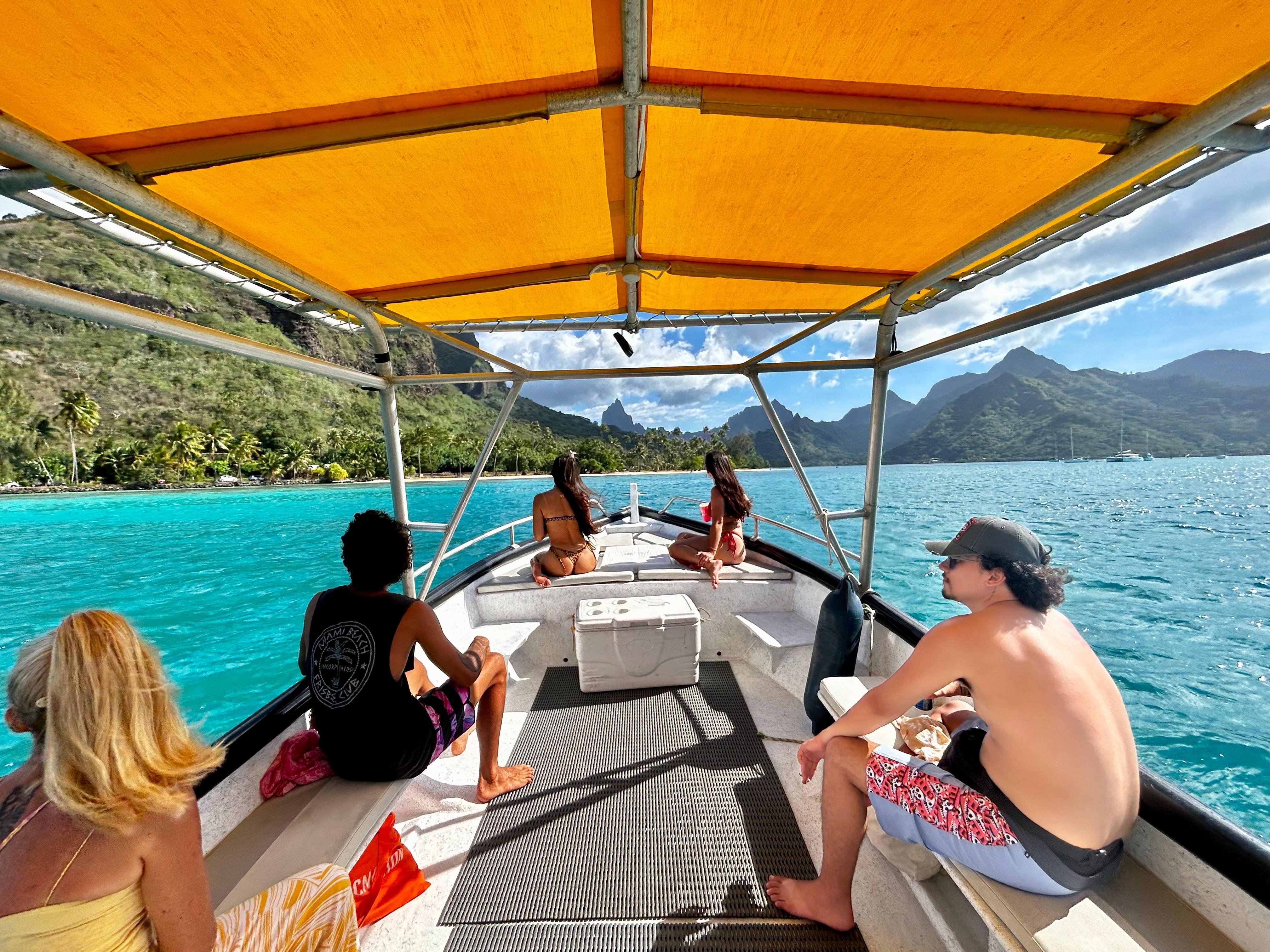
You board at Marina de Vaiare before sunrise, when the lagoon sits glassy under a pale sky and the air carries the salt-metal scent of deep water. The boat clears the reef pass within ten minutes, and your guide scans the horizon for blows—vertical plumes of mist that signal a surfacing whale. When a pod appears, the engine cuts and you slip into 26-degree water wearing mask and fins, equalizing your ears as you descend to three metres. A humpback cow and calf materialize in the blue haze below, the mother's pectoral fins spanning five metres as she rolls to inspect you. Her calf—born weeks earlier—hovers at her side, exhaling a stream of bubbles that spiral toward the surface. You hold position, controlling your breath to minimize movement, and the pair drift closer until the calf's eye meets yours from two metres away. The mother's tail flukes sweep once, propelling both whales into deeper water, and you surface to the sound of a male's song reverberating through the hull of the boat. Back aboard, the guide repositions for a second encounter, this time near a competitive pod where three males jostle for proximity to a female. You witness a breach—a 30-tonne body launching clear of the water and crashing back in a spray that carries half a kilometre. The session ends mid-morning as the whales move offshore, and the boat returns to Vaiare through the lagoon's interior channels, where you spot blacktip reef sharks patrolling the shallows and a hawksbill turtle surfacing near a coral bommie.
Operators typically operate daily from 06:00–17:45, with morning departures recommended.
The best time is August through October, with September offering peak moorea diving with whales activity.
Accessibility depends on the specific vessel; always confirm physical requirements before booking your moorea diving with whales tickets.
Pack reef-safe sunscreen, snorkeling gear, and a waterproof camera for your moorea diving with whales excursion.
Yes, provided they are strong swimmers and accompanied by adults on the moorea diving with whales tour.
Photography is encouraged, but drone use is prohibited to protect whales during moorea diving with whales encounters.
The main site is at Marina de Vaiare, accessible by car or local taxi services.
Refunds are subject to individual operator policies, typically requiring 24–48 hours notice for cancellations.
Yes, the Belvedere Lookout and local lagoons offer excellent post-tour experiences near the moorea diving with whales site.